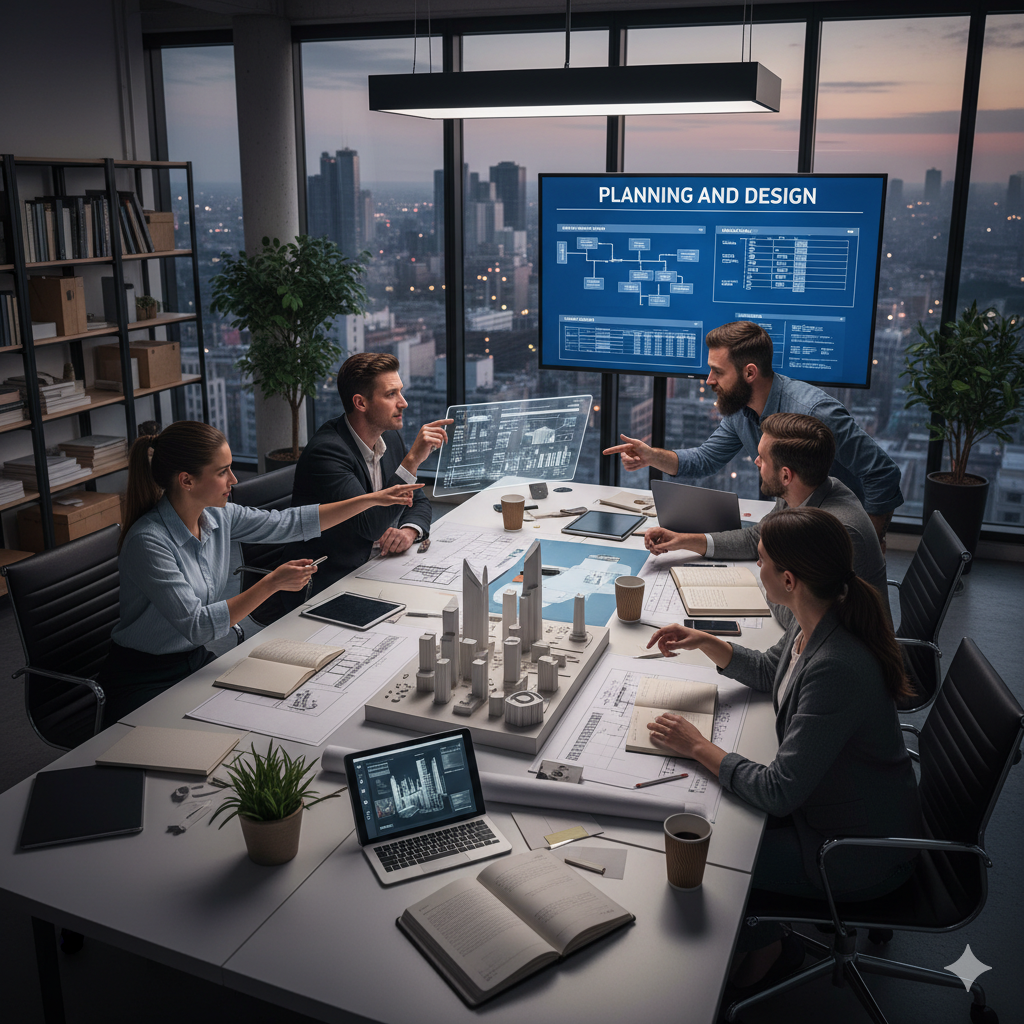
Ever wondered how some events just feel magical — like everything flows perfectly, the design is breathtaking, and every guest leaves smiling? That’s not luck. It’s the art (and a bit of science) of event planning and design. Whether it’s a wedding, birthday, corporate dinner, or a community celebration, a well-planned event has the power to turn simple moments into unforgettable memories.
Let’s explore what really goes into creating events that people remember for years.
What Is Event Planning and Design?
Event planning is all about organizing the logistics — the who, what, where, and when. Event design, on the other hand, focuses on the look, feel, and atmosphere. Together, they form the perfect partnership.
Think of it this way:
- Planning is your strategy — booking venues, managing vendors, and coordinating timelines.
- Design is your creativity — choosing colors, lighting, decor, and themes that bring the event to life.
When done right, planning and design don’t just create a schedule. They create an experience.
Why Event Planning and Design Matter
In today’s world, events are more than just gatherings — they’re emotional experiences. Whether it’s the joy of a wedding, the pride of a product launch, or the excitement of a concert, great planning and design set the tone for how people feel.
Here’s why they matter:
- They tell a story. Every event has a message — your design choices help tell it.
- They create emotions. Lighting, music, and decor can spark excitement or warmth.
- They make things run smoothly. Good planning means fewer surprises on the big day.
- They leave lasting impressions. Guests may forget the menu, but they’ll remember how the event made them feel.
The Magic Formula: How Great Events Come to Life
Let’s break down how expert event planners and designers turn ordinary occasions into extraordinary experiences.
1. Understanding the Vision
Every successful event starts with a clear vision. What do you want your guests to feel when they walk in? Excitement? Elegance? Joy?
Start by asking questions like:
- What is the event’s purpose?
- Who is the audience?
- What emotions do we want to create?
Once you understand the “why,” the “how” becomes much easier.
2. Planning the Perfect Flow
An event is like a movie — it needs a beginning, middle, and end that flow seamlessly.
Good planners map out:
- The event timeline (arrival, speeches, dinner, entertainment, etc.)
- The vendor list (caterers, florists, photographers)
- Budget management (balancing creativity and cost)
- Contingency plans (because things will change!)
Pro tip: Always have a Plan B — outdoor events, especially, can surprise you with weather changes.
3. Designing the Experience
This is where creativity shines. Event design is about transforming a blank space into a living, breathing reflection of your theme.
Elements of strong design include:
- Color palette: Choose colors that evoke the right mood.
- Lighting: Soft lights for romance, bright lights for energy.
- Textures: Mix fabrics, flowers, and materials to add depth.
- Layout: Make sure spaces are both beautiful and practical.
A well-designed event is not just seen — it’s felt.
4. Collaboration Is Key
Behind every seamless event is a team working in perfect harmony — planners, designers, florists, caterers, photographers, and more.
As an event planner or designer, your role is like being a director of a movie — guiding each department to work together smoothly.
Communication and flexibility are your best friends. Vendors appreciate clear direction, and clients love transparency.
5. Adding Personal Touches
Want your event to truly stand out? Add something personal. It could be:
- A custom monogram on napkins
- A slideshow of memories
- A scent that fills the room
- Handwritten thank-you notes for guests
These small details create big emotional impact — and make people feel special.
Trends in Modern Event Planning and Design
The world of events evolves constantly. Here are a few trends shaping the industry today:
- Sustainability: Eco-friendly decor, reusable materials, and local vendors.
- Minimalism: Less clutter, more focus on meaningful design.
- Technology: Virtual events, interactive displays, and digital invitations.
- Experiential design: Engaging guests through activities and sensory experiences.
Staying updated with trends helps planners stay creative — and clients stay impressed.
How to Get Started in Event Planning and Design
If this world excites you, here’s how to begin your journey:
- Learn the basics. Take short courses or workshops in event management and design.
- Gain experience. Volunteer for community events, weddings, or fundraisers.
- Build a portfolio. Document your work through photos and client feedback.
- Network. Join event planning groups or attend industry expos.
- Stay inspired. Follow top designers, Pinterest boards, and interior trends.
Remember: Every expert started with one small event.
Common Mistakes to Avoid
Even professionals make errors — but smart planners learn from them.
Avoid these common pitfalls:
- Overcomplicating the design (simple is powerful)
- Ignoring the budget
- Forgetting about the guest experience
- Poor time management
- Not having a backup plan
A successful event planner always plans for the unexpected.
Conclusion:
At its heart, event planning and design is about people — their emotions, their stories, and their connections. It’s about taking an ordinary moment and transforming it into something magical.So whether you’re planning your first small party or designing a grand wedding, remember: every detail counts, every emotion matters, and every moment is a chance to create a memory that lasts forever.
After all, anyone can plan an event — but it takes heart, creativity, and passion to design an experience.